Master Chinese Dining Etiquette 2026
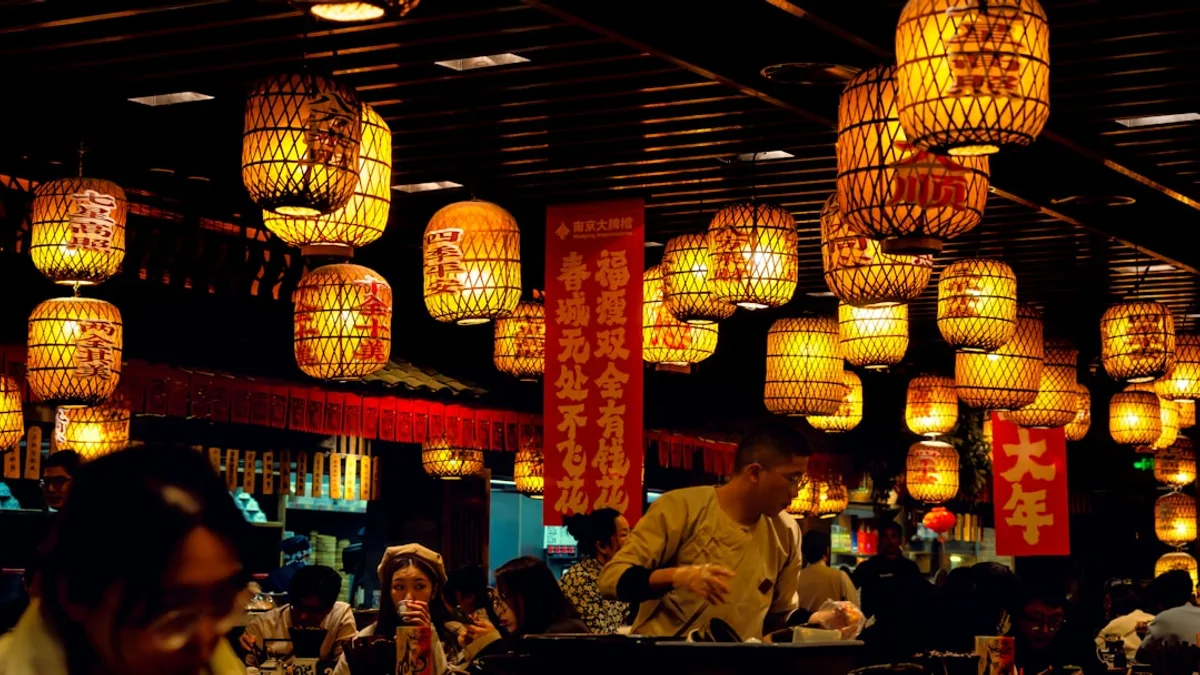
Did you know that in 2026, dining etiquette in China is more nuanced than ever? Understanding the subtleties of Chinese dining etiquette can elevate your experience and help you connect more deeply with the culture. Let’s dive into the specifics of what you need to know for the year ahead.
Understanding the Significance of Chinese Dining Etiquette 2026
Dining in China isn't just about eating; it's a cultural experience steeped in tradition. In 2026, these traditions are still very much alive but are also evolving with modern influences. From the way you handle your chopsticks to the order in which you serve tea, each gesture carries meaning.
The primary focus is on respect and harmony during meals. Chinese dining etiquette is designed to reflect these values, whether you're at a formal banquet or a casual family dinner. In our experience, adhering to these customs not only shows respect but also enriches your understanding of the Chinese food culture.
Mastering Chopstick Etiquette
Dos and Don'ts with Chopsticks
Chopsticks are central to Chinese dining, and mastering their use is crucial. Here are some tips to keep in mind:
- Do hold them towards the end, not in the middle or the front.
- Don't stick them upright in a bowl of rice – this resembles incense sticks used at funerals.
- Avoid pointing with chopsticks or waving them around.
- Don't tap them on the bowl like a drum.
In our experience, locals appreciate when foreigners make an effort with chopsticks, even if you're not perfect. This gesture shows respect for the culture.
Seating Arrangements and Their Importance
Where you sit can signify your status and role in the gathering. Typically, the most honored guest sits facing the entrance, with the host sitting opposite. The importance of seating arrangements is something we've found often surprises visitors.
If you're uncertain, allow the host to direct you to your seat. This is customary and shows deference to your host's authority.
Serving and Being Served: The Art of Sharing
Unlike Western dining, meals in China are communal. Dishes are shared, and it's polite to serve others before yourself. In 2026, this tradition continues to be a way of fostering a sense of community and care among diners.
How to Serve Others
- Use the communal spoon or chopsticks provided for serving.
- If none are available, use the back of your chopsticks.
- Offer the best pieces to the elders or honored guests first.
Being attentive and considerate when serving others can make a positive impression and demonstrate your understanding of dining etiquette in China.
Toasting and Drinking Etiquette
Toasting is an integral part of Chinese dining culture. In 2026, it remains a way to show respect and build camaraderie. When someone toasts you, it's polite to reciprocate with a toast of your own.
Proper Toasting Techniques
- Stand up when making a toast at a formal event.
- Hold your glass with both hands when clinking glasses.
- Ensure your glass is lower than the person you are toasting to show respect.
Alcohol, especially baijiu, is common, but if you don't drink, a simple explanation is usually accepted. Just ensure to participate in the ritual with a non-alcoholic beverage.
Handling Food Allergies and Preferences
In 2026, with increasing awareness of dietary needs, it’s important to communicate your food allergies or preferences. While Chinese cuisine is diverse, it's not always designed with individual dietary needs in mind.
In our experience, being polite but clear about your restrictions helps avoid any misunderstandings. Learn to say key phrases in Mandarin, such as "I'm allergic to..." or "I don't eat...," to facilitate communication.
| Phrase | Mandarin |
|---|---|
| I'm allergic to... | 我对...过敏 (Wǒ duì... guòmǐn) |
| I don't eat... | 我不吃... (Wǒ bù chī...) |
Expressing Gratitude and Departing
When the meal concludes, expressing gratitude is crucial. Thank your host sincerely, and if you’re at a restaurant, it’s polite to offer to pay or at least contribute to the bill, even if the host insists on covering it.
As you leave, a simple "Thank you for the meal" in Mandarin (谢谢你的款待, Xièxiè nǐ de kuǎndài) can go a long way in showing your appreciation.
Frequently Asked Questions
What should I do if I make a mistake with Chinese dining etiquette?
If you make a mistake, don't worry too much. Most locals understand that foreigners may not be familiar with all the customs. A simple apology and a willingness to learn usually smooth things over.
Is it rude to refuse food or drink at a Chinese meal?
Refusing food or drink can sometimes be seen as impolite. It's best to accept a small portion to show appreciation. If you can't eat or drink it, a polite explanation is generally accepted.
How can I learn more about Chinese food culture?
To dive deeper into Chinese food culture, consider joining a local cooking class or food tour. Websites like China Travel Solution Food Tours offer a variety of options to enhance your culinary experience.
Embracing Chinese dining etiquette in 2026 is a rewarding way to connect with the culture and people. Your efforts won’t go unnoticed and can make your dining experiences much more enjoyable.